At the Table and in the Pulpit

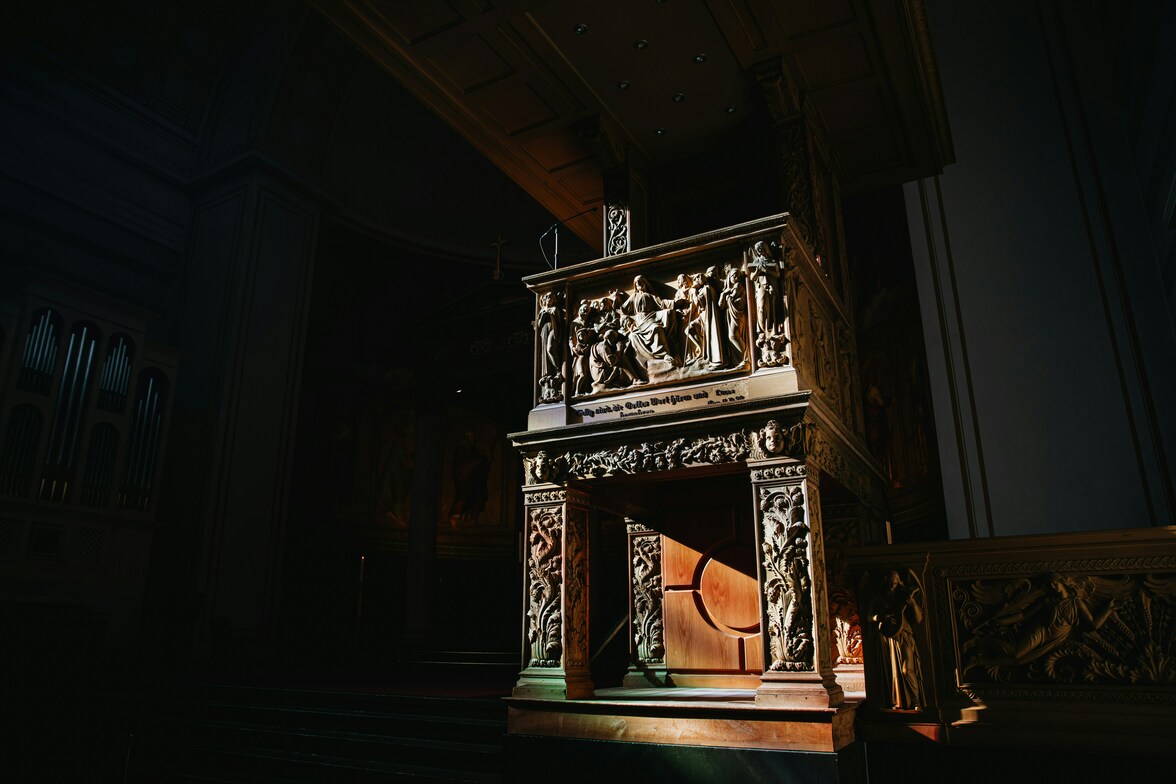
There are moments in ministry when you can just feel something shifting—when learning, creativity, and the Spirit all come together and remind you why you said yes to this calling in the first place. That’s what the Pulpit Project has been for me. Over a couple of days this past week, I was surrounded by colleagues who care deeply about preaching—not just as something we do each week, but as a sacred trust. And I take that seriously. Preaching isn’t something I approach casually. It’s one of the primary ways we teach, challenge, and encourage. It’s where we stand in that space between God’s Word and God’s people and trust that something meaningful—something holy—can happen.
We spent time sharing ideas, building sermon series, stretching ourselves, and really listening to one another. And somewhere in all of that, I was reminded again what preaching means to us as United Methodists. For John Wesley, preaching was never just about information—it was about transformation. He believed the gospel was meant to be experienced, felt deep in the heart, and lived out in the world. That’s why he stepped outside the walls of the church and preached wherever people would gather—fields, roadsides, town squares—meeting people right where they were. Not because it was easier, but because it mattered. Because grace was real and needed to be shared.
We don’t just preach to explain scripture—we preach expecting something to happen. We trust that God is at work in the moment… in the hearing, in the wrestling, in the questions, and even in those quiet nudges that stay with us long after the service ends. Preaching is where head and heart meet. It’s where we begin to understand—and also begin to feel—who God is and who God is calling us to be. And the truth is, the best preachers have been saying this all along. Karl Barth talked about preaching with the Bible in one hand and the newspaper in the other—grounded in God’s Word but connected to real life. Fred Craddock reminded us that preaching isn’t something we do to people, but something we do with them—an invitation, not a lecture. And Thomas G. Long describes preaching as bearing witness—simply telling the truth about what we’ve seen and experienced of God. I hear all of that, and I feel both encouraged and challenged.
Because one of the things I love most about preaching is when a familiar scripture opens up in a new way—when there’s a fresh twist or deeper understanding that makes you stop and say, “I’ve never seen it like that before.” Those moments don’t just shape a sermon… they shape me. They remind me that God’s Word is still alive, still speaking, still revealing. And at the same time, this week nudged me. It reminded me how easy it is to lean on what feels safe—on the manuscript, on structure, on getting every word just right. And while preparation matters (and I’ll never stop preparing), I also felt a call to trust the Spirit more. To loosen my grip just enough to be more present, more conversational, more responsive—especially in those moments where connection matters most. Because preaching isn’t just about delivering something polished. It’s about sharing something real. It’s about being present enough to notice the room, to feel the moment, and to make space for the Spirit to move—not just in what I’ve written, but in what is happening right there among us.
And then on our final day, we gathered at the table for Holy Communion. After all the learning, all the creativity, all the conversation… we ended with something simple and sacred—bread, cup, and community. It was the perfect ending. Word and Table. Preaching and sacrament. Grace spoken and grace received. I left the Pulpit Project grateful—but also stirred in the best way. Grateful for the people I learned alongside, for the creativity that was sparked, and for the reminder that preaching is not something we do alone. But also stirred to grow, to trust more deeply, and to be a little braver in how I show up in the pulpit. Because at the end of the day, preaching isn’t about getting it perfect. It’s about being faithful with what we’ve been given. It’s about taking this sacred responsibility seriously and trusting that God will use even our imperfect words to do something meaningful, something lasting, something transformative. And that gives me hope. I can’t wait to step back into the pulpit this Sunday and see what God will do next. See you Sunday!
Peace, Pastor Tracy