The Wilderness is Not the End of the Story

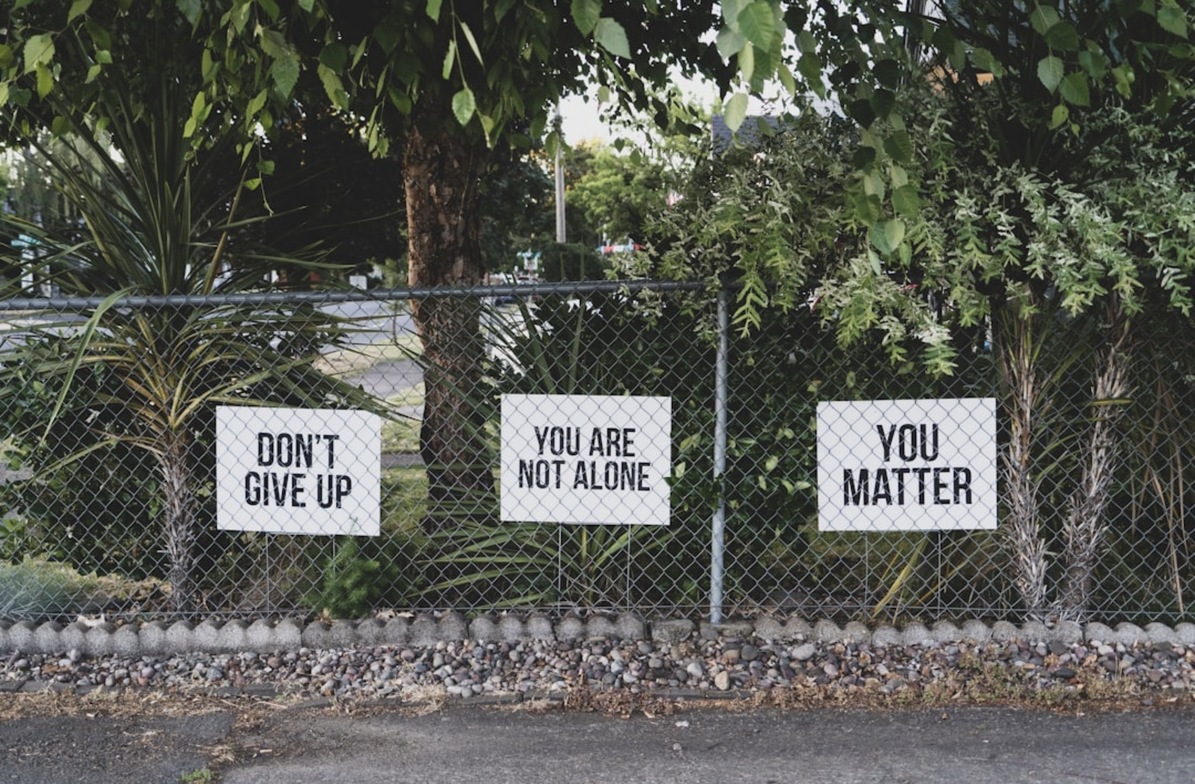
This past week, I saw the news that two well-known people died by suicide. Their names were familiar. Their faces recognizable. And like it always does, it stopped me. Not just because of who they were, but because of who they represent. Because for every name we recognize, there are countless others we never hear about. People who live and struggle quietly. People who carry pain in silence. People who wonder if anyone sees just how heavy life has become.
Several years ago, there was an ad campaign called “It Gets Better.” It was created to remind people—especially young people—that the pain they were feeling in that moment was not the end of their story. That despair can lie. That the darkness that feels permanent is not permanent at all. It was a simple message, but it was powerful. It gets better. Not always quickly. Not always easily. But the story is not over.
Scripture is surprisingly honest about that kind of struggle. Elijah, one of God’s greatest prophets, reached a point of complete exhaustion and said, “It is enough; now, O Lord, take away my life” (1 Kings 19:4). David cried out in anguish, “My soul is in deep anguish. How long, Lord, how long?” (Psalm 6:3). The psalmist prayed words that Jesus himself would later echo from the cross, “My God, my God, why have you forsaken me?” (Psalm 22:1). Job, in the depths of his suffering, said, “Why did I not perish at birth?” (Job 3:11). Jeremiah, overwhelmed with grief, cried, “Cursed be the day on which I was born” (Jeremiah 20:14).
These words are in our Bible for a reason. They remind us that people of deep faith still struggle. They remind us that despair is not a modern problem. They remind us that we are not alone when we find ourselves in those dark places. And they also remind us of something else. None of those stories ended there.
Elijah rested, and God met him in the silence. David kept praying. Job encountered God in the whirlwind. Jeremiah kept speaking truth. Even Jesus, who cried out from the cross, was not abandoned to death. Easter came.
That is what Lent points us toward. Lent does not rush past suffering. Lent sits in it. Lent tells the truth about the wilderness places in our lives. But Lent also reminds us that wilderness is never the end of the story. God is present there. God is working there. Even when we cannot see it.
If you are struggling, please hear this: your story is not over. There are people who care. There are people who will listen. There is help. You can call or text 988, the Suicide & Crisis Lifeline, any time. If you are in immediate danger, call 911. You can reach out to a trusted friend, a family member, a counselor, or a pastor. You do not have to carry this alone.
And for all of us, this season is a reminder to pay attention to one another. To check on each other. To listen more closely. To remind the people around us that their life matters.
Because the message of our faith, and the hope of Lent, is this:
Even in the wilderness.
Even in the ashes.
Even in the darkest night.
God is not finished.
And the story is not over.
See you Sunday!
Peace, Pastor Tracy