The Cost of False Fundamentals

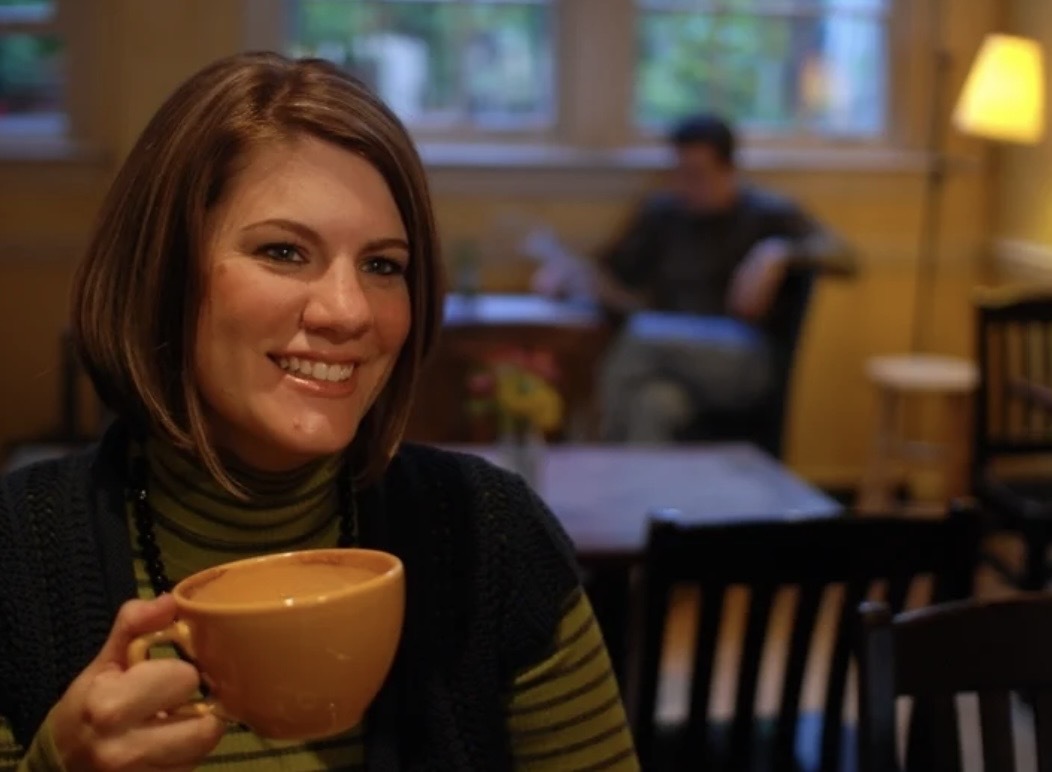
Eighteen years ago, Rachel Held Evans contacted a friend because she was beginning to see Christianity differently and wanted to write about it. She was wrestling with questions about faith, scripture, church, certainty, and what Christianity had become in parts of American culture. Instead of hiding those questions or pretending they did not exist, she started writing honestly about them. What began as conversations and blog posts eventually became books that connected with countless people who were trying to hold onto faith while also being honest about their doubts, struggles, and experiences.
Rachel grew up in Dayton, Tennessee, the town made famous by the Scopes “Monkey Trial,” where debates over evolution and biblical literalism once captured the attention of the nation. She grew up in conservative evangelical Christianity and deeply loved her faith. By her own admission, she was the kind of person who wanted the right answers and wanted certainty. But as she got older, questions about suffering, science, scripture, salvation, church culture, and exclusion became harder to ignore.
What I appreciate about Rachel is that her journey was not really from faith to unbelief. It was from rigid certainty to a deeper and more expansive faith. Instead of walking away from God, she wrestled honestly with what faith looked like when life no longer fit neatly into categories and easy answers.
In 2010, Rachel published Evolving in Monkey Town, which later became the revised 2014 release of Faith Unraveled: How a Girl Who Knew All the Answers Learned to Ask Questions. The title itself reflected both her hometown’s connection to the Scopes Trial and her own evolving understanding of faith. In that book she wrote:
It seems that a whole lot of people, both Christians and non-Christians, are under the impression that you can’t be a Christian and vote for a Democrat, you can’t be a Christian and believe in evolution, you can’t be a Christian and be gay, you can’t be a Christian and have questions about the Bible, you can’t be a Christian and be tolerant of other religions, you can’t be a Christian and be a feminist, you can’t be a Christian and drink or smoke, you can’t be a Christian and read the New York Times, you can’t be a Christian and support gay rights, you can’t be a Christian and get depressed, you can’t be a Christian and doubt. In fact, I am convinced that what drives most people away from Christianity is not the cost of discipleship but rather the cost of false fundamentals. False fundamentals make it impossible for faith to adapt to change. The longer the list of requirements and contingencies and prerequisites, the more vulnerable faith becomes to shifting environments and the more likely it is to fade slowly into extinction. When the gospel gets all entangled with extras, dangerous ultimatums threaten to take it down with them. The yoke gets too heavy and we stumble beneath it.
That phrase — “the cost of false fundamentals” — really sticks with me.
Because I have met a lot of people over the years who felt like church was no longer a place for them. Not because they stopped loving God. Not because they stopped searching. But because somewhere along the way they got the message that they had to think exactly right, never question, never struggle, never wrestle, and never doubt in order to belong.
And honestly, I just do not think that looks much like Jesus.
When I read the Gospels, I see Jesus constantly surrounded by people with messy lives and complicated stories. I see disciples who misunderstand Jesus all the time. Peter speaks before thinking. Thomas doubts. Martha worries. The Psalms are full of questions and cries toward God. Jacob wrestles with God through the night. Faith has never really been about pretending to have all the answers.
Faith is continuing to walk with God even when you do not.
I think one of the reasons Rachel Held Evans resonated with so many people is because she gave people permission to admit that faith can be messy. She reminded people that asking questions is not the opposite of faith. Sometimes asking hard questions is part of faith itself.
I also think the church has to be careful not to confuse cultural expectations with the Gospel itself. Sometimes we pile things onto Christianity that Jesus never piled onto people. We create extra hurdles, extra tests, extra divisions, and then wonder why people feel exhausted, disconnected, or pushed away.
Rachel’s words challenge me to think carefully about what kind of church we are creating. Is church a place where people can breathe? Is it a place where people can be honest? Is it a place where people can wrestle with life, scripture, grief, doubt, and hope without fear of being judged or dismissed?
I hope so.
Because the older I get, the more I realize that every single person walking through the church doors is carrying something. Questions. Grief. Fear. Loneliness. Doubt. Hope. Longing. Hurt. Sometimes all at once.
And the beautiful thing is that Jesus never seemed afraid of any of that.
Rachel Held Evans died on May 4, 2019, at the age of 37 from severe swelling of the brain. Her death shocked so many people because she was young, vibrant, thoughtful, funny, and deeply engaged in conversations about faith and the church. Even years later, her voice still echoes in churches, coffee shops, Bible studies, and conversations where people are trying to figure out what it means to follow Jesus in an honest and authentic way.
I think the church desperately needs spaces where grace is actually grace. Spaces where people can laugh, cry, question, heal, and grow together. Spaces where people do not have to hide parts of themselves to belong.
Because at the center of Christianity is not certainty or perfection.
At the center is Jesus.
And Jesus has always had a habit of making room at the table for people others thought did not belong. See you Sunday!
Peace, Pastor Tracy